A Layered IPM Protocol for Indoor & Greenhouse Cultivation
This protocol is built around a simple idea: sanitation first, targeted botanical pressure second, and beneficial biology third. Instead of reacting to outbreaks one spray at a time, it creates a repeatable sequence for structured plant protection.
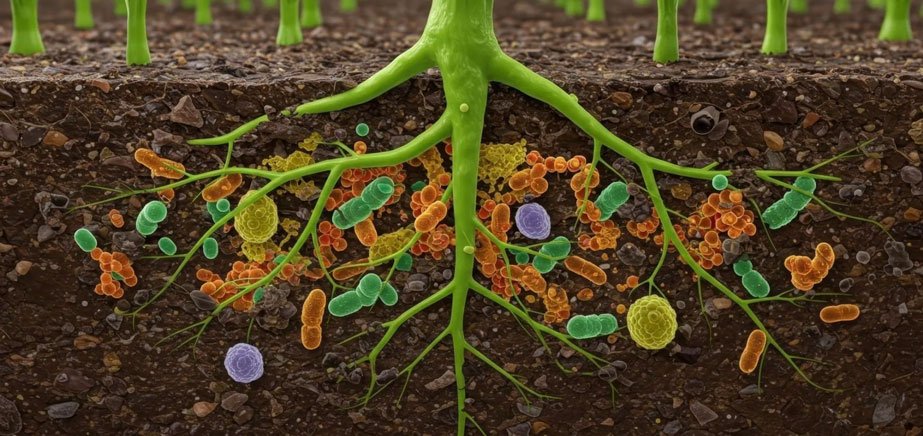
Indoor and greenhouse crops give growers more environmental control, but they also give pests a stable place to build pressure fast. This protocol is designed to create a structured defense against root aphids, fungus gnats, spider mites, thrips, and whiteflies by combining sanitation, botanical pressure, and beneficial biology in a repeatable sequence.
The strength of the system is not one step by itself. It is the layering. Each stage is designed to reinforce the next, creating a more balanced and fortified environment that makes pest establishment harder over time.
Layer 1
Start with a cleaner foundation to reduce early pest pressure and microbial buildup.
Layer 2
Apply essential oils and encapsulated sulfur to reinforce short-term pressure against active pests.
LAYER 3
Support
Finish with beneficial fungi to establish a longer-term biological defense layer.
Built for common indoor and greenhouse pressure
The protocol is aimed at five of the most common pest groups in controlled cultivation: root aphids, fungus gnats, spider mites, thrips, and whiteflies. The important point is that this covers both root-zone and canopy pressure, which is where many pest programs break apart. A system that only focuses on foliar treatment often misses the source of pressure below the surface.
The core idea is simple: clean first, fortify second, and then support the environment with biology instead of relying on a single spray to do every job.
Layer 1: Start with a clean foundation
The protocol begins with intensive substrate sterilization using Nano Silver-Stabilized Hydrogen Peroxide (50%). This is positioned as the reset point of the whole system: reduce microbial buildup, lower starting pest pressure, and establish a cleaner base before moving into the next phases.
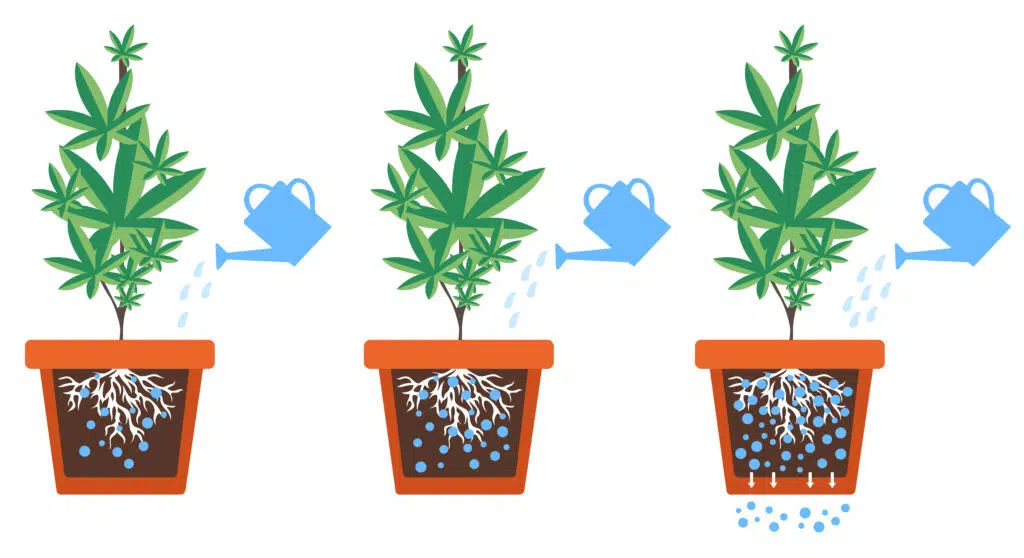
The protocol recommends applying the solution at 100–200 ppm for 10–20 minutes, followed by a flush to clear residues. This step is presented as especially useful for creating a more stable starting environment against root-zone pressures such as root aphids and fungus gnats.
Layer 2: Add botanical pressure
After the sanitation phase and a rest day, the next layer uses essential oils and encapsulated sulfur. The first application is aimed at the foliage, followed the next day by a broader application to both the root zone and foliage for more complete coverage.
Within the protocol, this stage is meant to reinforce plant robustness and create pressure against pests such as spider mites, thrips, and whiteflies. In the product-based section of the PDF, this role is assigned to F1 IPM Root & Foliar, used together with Superslick to improve adhesion, coverage, and uniform distribution.
What this phase is trying to accomplish:
Products referenced in this stage:
Reduce active pressure in the canopy
Essential oils + encapsulated sulfur
Improve contact with foliage and key plant surfaces
F1 IPM Root & Foliar
Extend pressure from canopy into the root zone
Superslick for coverage and adhesion
Layer 3: Finish with biological support
After the botanical phase, the protocol shifts into biology. Beauveria bassiana and an additional beneficial fungus are introduced to both soil and foliage, and then the system is allowed several days for those microbes to establish.
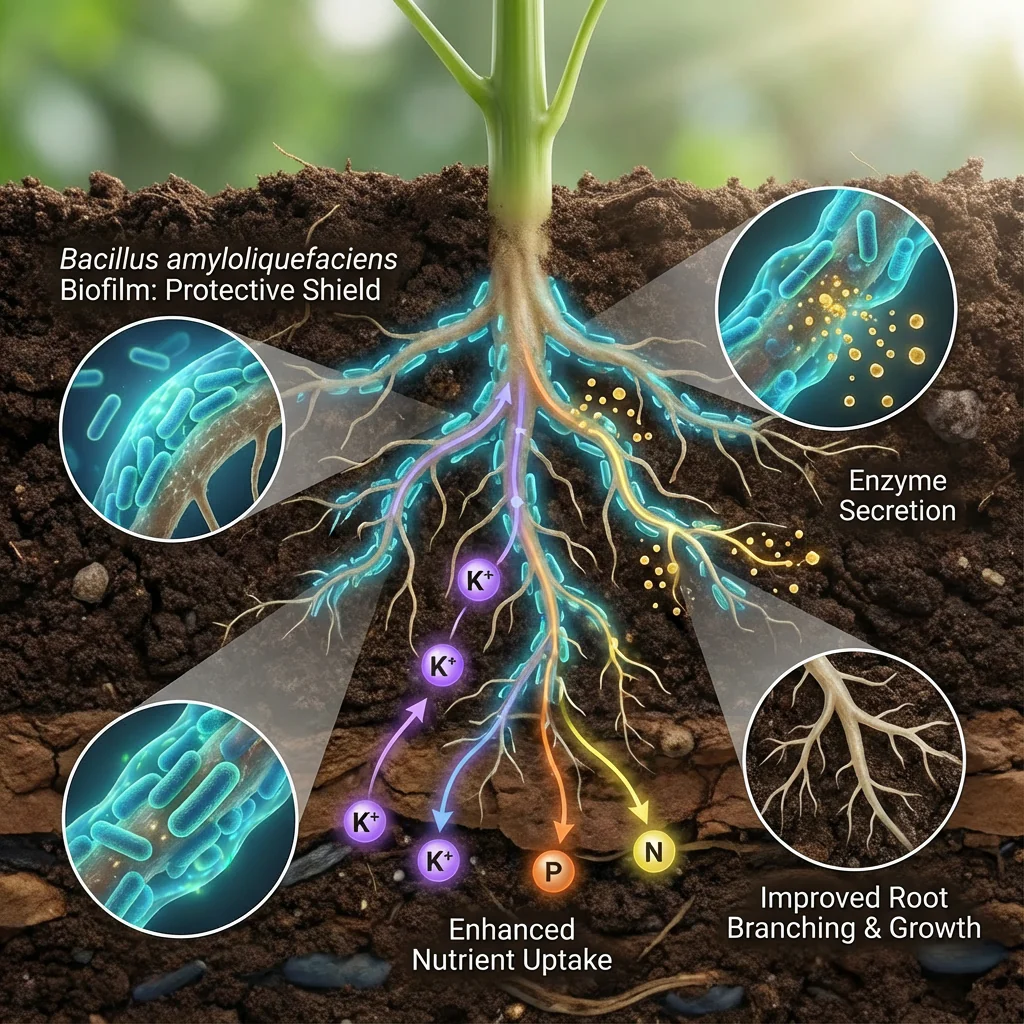
This phase is presented as the long-term support layer. In the product lineup, that role is assigned to F1 Myco Shield, described as a biological formula featuring Verticillium lecanii (2%) in a specialized carrier system designed to establish broader defense throughout the environment.
The five-day protection rhythm
One of the strongest parts of the protocol is that it gives the grower a repeatable rhythm instead of random reaction. The sequence is built like this:
DAY 1
Sterilization: Begin with Nano Silver Stabilized 50% H₂O₂, then flush and allow the system to stabilize.
DAY 2
Rest / stabilization: Give the environment time to normalize before the next phase. Day 3
DAY 3
IPM root application: Apply F1 IPM with Superslick to the root zone.
DAY 4
IPM foliar application: Apply F1 IPM with Superslick to foliage with full surface coverage.
DAY 5
Biological integration: Apply F1 Myco Shield / beneficial fungi and support microbial establishment.
DAY 6-10
Restart the cycle: Repeat to maintain a balanced, fortified environment.
The product-specific section of the PDF also adds operational details like applying F1 Myco Shield at 5 g/L, using the cooler part of the day for the biological application, and maintaining humidity above 65% for 8–12 hours afterward.
Why this reads as more than a spray schedule
The reason this protocol stands out is that it is presented as a system, not a one-off treatment. Sanitation reduces starting pressure. Botanical applications create active pressure against common greenhouse pests. Biological support is then added to reinforce the environment over time.
That is what gives the protocol a stronger logic than a simple spray recommendation. It is not just what is applied. It is when each layer is applied and what role it is supposed to play inside the overall sequence.
About This Article
A layered IPM article for indoor and greenhouse growers focused on sanitation, botanical pressure, beneficial biology, and why sequencing matters more than reactive sprays.