Nano Potassium vs. Conventional Potassium: Delivery, Chloride Load, and Crop Quality
A research-based look at chloride-free potassium, nanoscale delivery, foliar efficiency, and why the nano claim only matters if it improves agronomic performance in the real world.
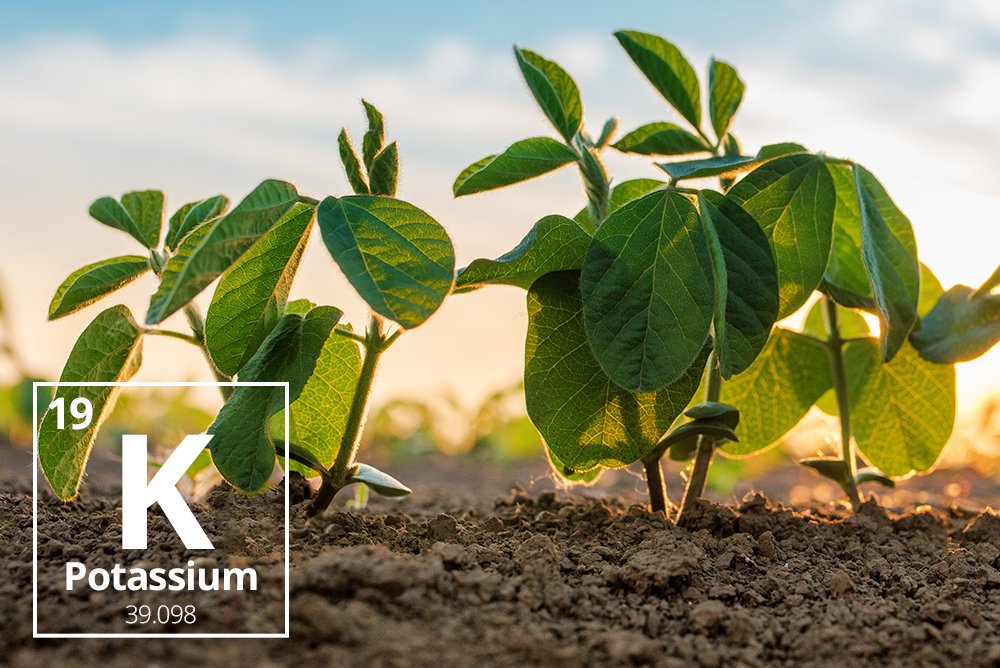
Potassium already matters. That part is settled. It drives osmotic balance, stomatal regulation, sugar transport, stress response, and overall crop performance. What is not settled is the lazy claim that every potassium source behaves the same — or that “nano” automatically means better.
The nano part only matters if it changes uptake behavior, retention, delivery efficiency, or agronomic response in a way the crop can actually use. Anything weaker than that is just shiny fertilizer marketing.
Settled Science
Potassium drives major plant functions tied to quality and stress performance.
Source Risk
Nano Test
Nano only matters if it improves uptake, retention, or response.
Potassium source matters when crop quality matters
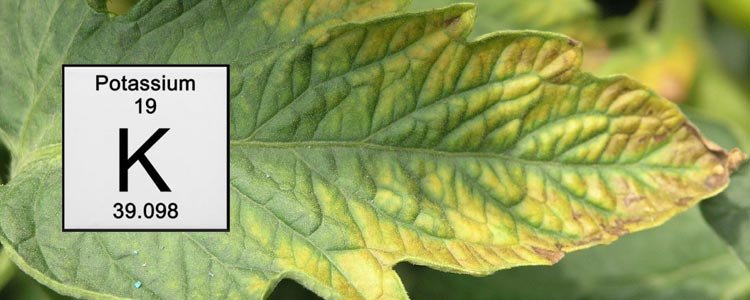
For many broad-acre situations, low-cost potassium chloride can still do the job. But once the crop is chloride-sensitive, quality-driven, greenhouse-grown, or already under salinity pressure, the potassium source starts to matter much more. That is why chloride-free sources keep showing up in specialty-crop and quality-focused discussions.
Chloride-free alone is not enough. The stronger argument is chloride-free potassium delivered in a way that may actually improve precision, efficiency, or crop response.
What the nano claim has to prove
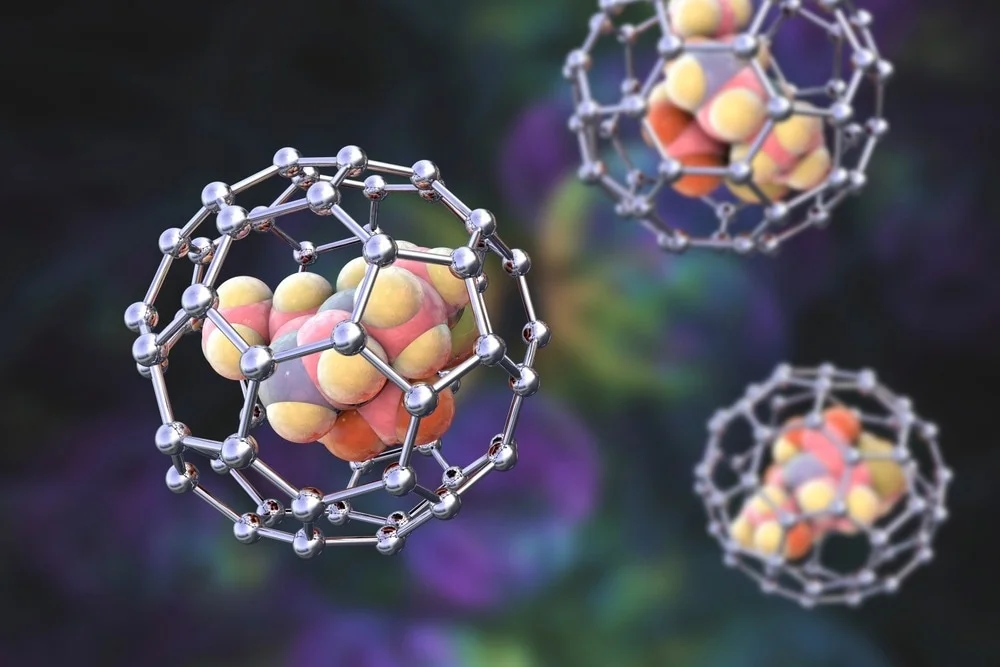
A nano potassium product has to justify itself on more than branding. It has to answer at least one serious question: does it improve uptake efficiency, foliar penetration, retention, movement, or measurable agronomic response compared with more conventional potassium delivery?
The current research base supports a cautious but useful position: nano fertilizers can improve nutrient-use efficiency, release behavior, foliar interaction, or uptake dynamics under some conditions, but results depend heavily on formulation, particle behavior, application route, crop, and dose. The word “nano” alone proves nothing.
Where nano potassium starts to make real agronomic sense
The nano argument becomes more credible in precision programs, especially foliar and targeted-delivery systems. In those situations, the goal is not just to dump more potassium into the system. The goal is to improve how efficiently that potassium is delivered and used.
Reviews of foliar nanoparticle uptake note that nanoscale materials may affect adhesion, cuticle interaction, entry pathways, and translocation differently than larger conventional forms, though the effect depends heavily on the exact formulation and plant surface conditions. That is where the nano part starts to matter.
Where the nano argument is stronger:
Where growers should stay skeptical:
Precision foliar programs
Claims that nano always means faster absorption
Targeted delivery where efficiency matters
One-size-fits-all yield promises
Quality-driven greenhouse or specialty systems
Products that rely more on buzzwords than formulation evidence
There is real potassium nanoparticle research worth watching
The potassium nanofertilizer literature is still thinner than the literature on some other nutrients, but it is not empty. Studies have reported positive responses from potassium nanoparticle formulations, including improvements in growth, yield, photosynthetic performance, and nutrient-use behavior in certain crops and conditions.
That does not prove every nano potassium product is superior. What it does support is a narrower and more defensible claim: potassium delivered in nanoparticle-based formulations can produce meaningful agronomic effects when the formulation and use context are right.
What serious growers should actually ask
If you are evaluating a nano potassium product, the right questions are: Is the crop chloride-sensitive? Is the system already dealing with salinity pressure? Is this being used as a foliar, fertigation, or bulk K source? Is the product solving a real delivery problem, or is it just relabeled potassium?
That is how serious growers separate science from fertilizer theater.
Bottom line
Potassium already matters. The reason to care about nano potassium is not because “nano” sounds advanced. It is because a well-designed nanoscale potassium formulation may improve how potassium is delivered, especially in targeted, foliar, or precision programs where efficiency and crop quality matter more than commodity fertilization logic.
The reason to care about chloride-free potassium is that in sensitive, saline, greenhouse, or quality-focused production, removing chloride can reduce an avoidable source of risk. That is the smarter case — not magic, not hype, just cleaner source selection and a more serious delivery strategy.
About This Article
A research-based potassium article focused on chloride-free source selection, nanoscale delivery, foliar efficiency, and what the nano claim actually has to prove.
Article Sources
-
- USDA technical report — Potassium chloride and crops
- Review — Potassium roles in plant physiology and stress performance
- Review — Nanoparticle-based fertilizers for macro- and micronutrients
- Study — Potassium nanofertilizer effects in green bean
- Review — Foliar uptake and nanoparticle delivery behavior
- Study — Potassium source effects and crop quality context