Why Fast pH Correction and Stable pH Control Are Not the Same Thing
A research-based look at pH management across hydroponic and soil systems, with emphasis on alkalinity, buffering, nutrient-solution behavior, and why different chemistries solve different correction problems.
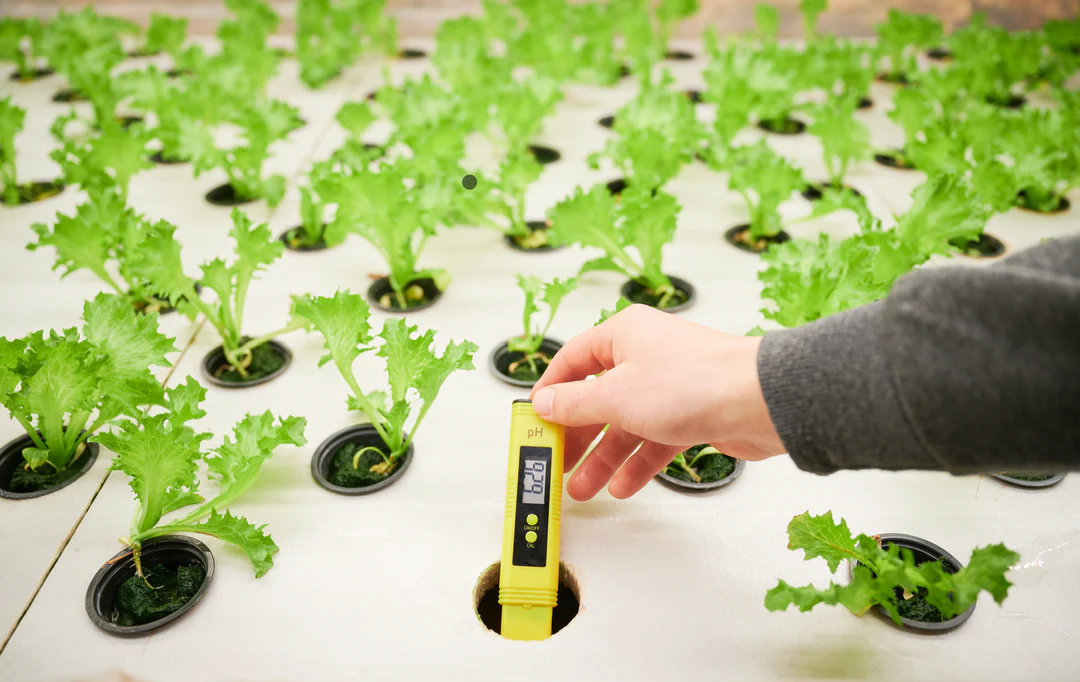
A lot of growers treat pH adjustment like a minor correction. The number drifts, they push it back, and move on. That is sloppy management. In hydroponics and soilless systems, pH directly affects nutrient solubility and availability, and because these systems have much less buffering than soil, pH can shift faster and create problems sooner.
Extension guidance commonly places hydroponic nutrient-solution pH in roughly the 5.0–7.0 range, with the practical sweet spot often centered around 5.5–6.5 for nutrient availability. That does not mean every pH problem needs the same response. It means the grower needs to understand what kind of correction the system is actually asking for.
Hydroponic Range
Common guidance range for nutrient solution management.
Practical Sweet Spot
Frequent operating band for nutrient availability.
Hidden Variable
Water chemistry can resist or amplify pH movement
Fast correction and stable correction are not the same job
A system that needs a rapid pH increase is not asking for the same thing as a system that needs gentle buffering. Common acids used to lower pH include phosphoric acid, while common bases used to raise it include potassium hydroxide and potassium bicarbonate. Those materials do not behave identically in a nutrient solution, and they should not be treated as interchangeable.
Not every pH problem needs the same chemistry. Some systems need a fast push. Others need a slower, buffered correction that does not create another swing a short time later.
Why alkalinity matters more than many growers think
One of the most common pH mistakes is watching only pH and ignoring alkalinity. Alkalinity, largely from bicarbonates in the water, determines how strongly the water resists pH change. High-alkalinity water keeps pushing solution pH upward, while low-alkalinity water is more prone to rapid swings.
That means two water sources can show similar pH at the start and behave very differently once nutrients are mixed. This is why some growers feel like they are always chasing pH. They are not just fighting the nutrient solution. They are fighting the water chemistry underneath it.
Why pH drifts in hydroponics even when the tank looks stable
Hydroponic pH does not move randomly. Plant roots change it. Research on pH modifiers in hydroponics notes that nutrient-solution pH fluctuates partly because of imbalanced cation and anion uptake by roots and because hydroponics lacks the buffering capacity of soil.
That matters because “adjust once and forget it” is not nutrient management. In real systems, roots, alkalinity, and nutrient form keep nudging the chemistry.
When fast pH-up chemistry makes sense
Products referenced in this stage:
Rapid hydroponic correction is needed
The system is prone to swings
Speed matters more than buffering
Stability matters more than speed
Potassium hydroxide is a common choice
Bicarbonate-based chemistry can help buffer
Why pH-down choice matters too
The same logic applies on the acid side. Phosphoric acid is commonly used to lower pH in hydroponic systems. The point is not that phosphoric acid is magical. The point is that growers need a predictable acidification chemistry that fits repeated use in nutrient-solution management.
That is what serious pH-down management is really about: not just lowering the number, but lowering it in a controlled way the rest of the system can live with.
Soil is a different problem entirely
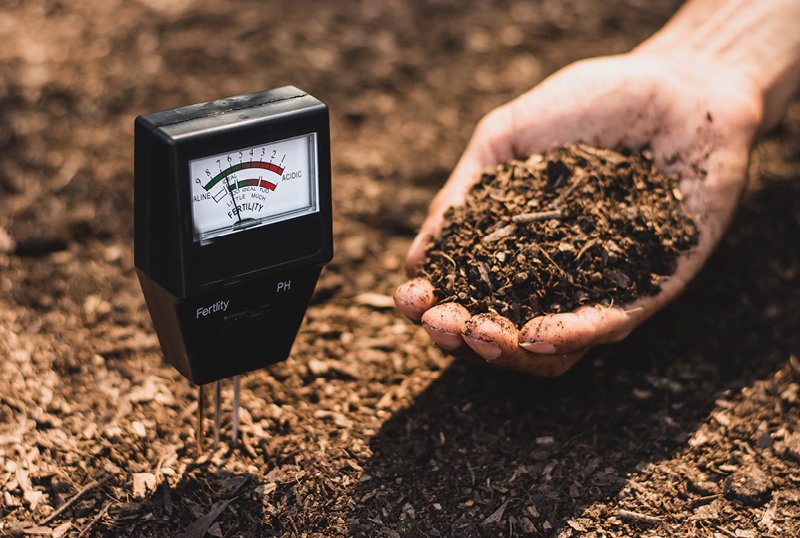
Soil pH correction is not the same as hydroponic pH correction. Acidic soil is corrected with liming materials, especially calcium carbonate, because the carbonate is what neutralizes acidity. Calcium alone does not increase soil pH. Materials like gypsum contain calcium but do not neutralize acidity because they do not provide the right basic anion.
That is why calcium carbonate belongs in the soil-pH conversation, while fast soluble acids and bases belong in the hydroponic pH conversation.
The real grower takeaway
If you strip away the chemistry names, the lesson is simple:
Use these when the goal is fast movement
Use these when the goal is longer control
Fast base chemistry for rapid hydroponic correction
Buffering chemistry when stability matters more than speed
Predictable acids for stable pH reduction
True liming materials like calcium carbonate for acidic soil correction
About This Article
A research-based pH management article focused on alkalinity, buffering, hydroponic drift, and why fast correction and stable control are not the same thing.