Calcium Deficiency in Cannabis: Why Calcium Form Matters
Calcium deficiency is often not a simple ppm problem. It is a transport problem driven by xylem flow, root-zone balance, nutrient antagonism, and how the calcium source behaves inside a real fertigation program.
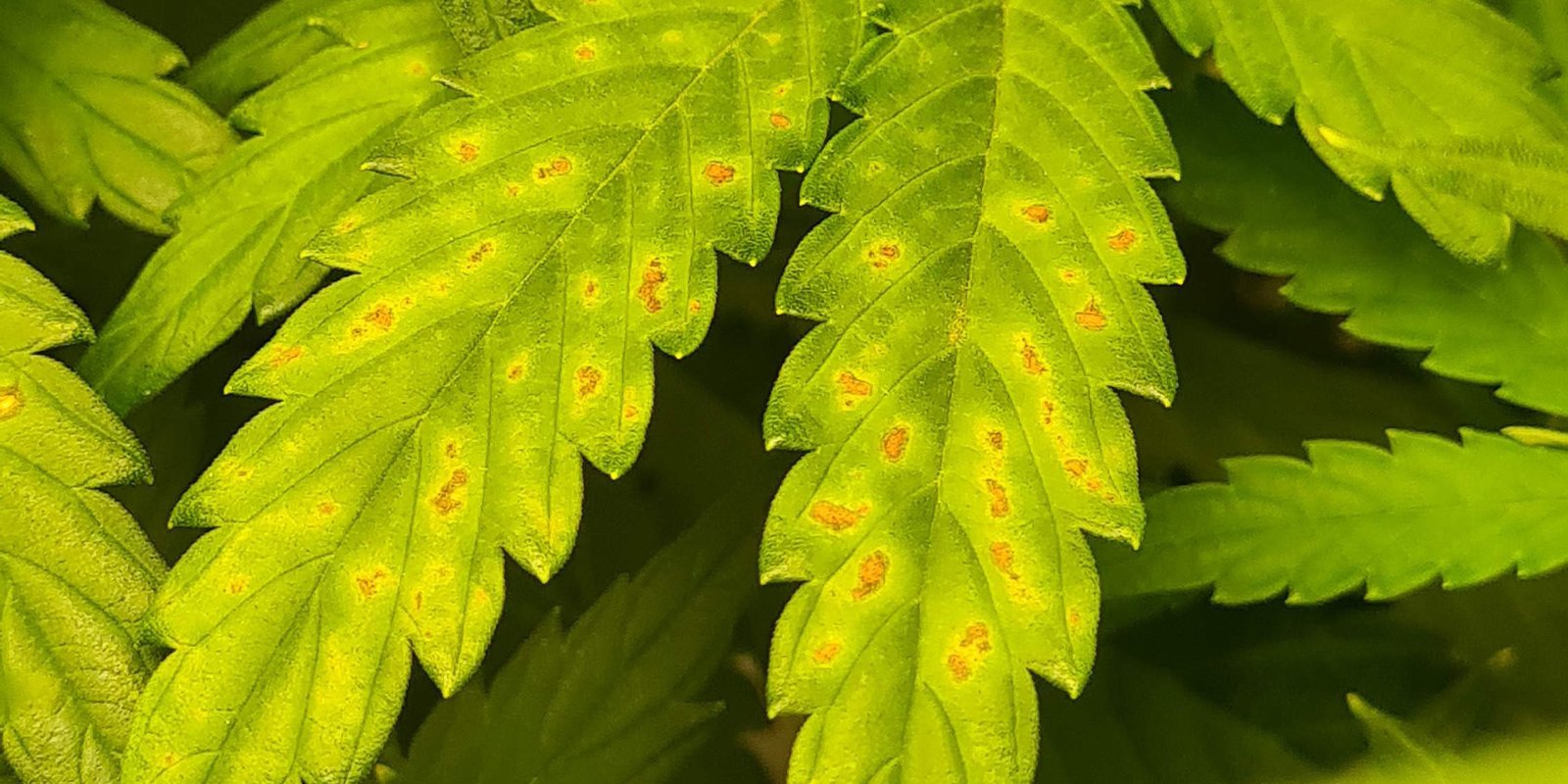
Calcium deficiency in cannabis is often treated like a concentration problem. In serious production systems, it is usually a delivery problem first. Calcium moves mainly through the xylem with water flow, is poorly remobilized, and tends to fail first in young tissue when transport cannot keep up with demand.
That is why growers can be feeding calcium and still see deficiency. Hemp and greenhouse references describe the same pattern again and again: if transpiration, root uptake, or nutrient balance are working against the crop, calcium can be present in the program and still fail where it matters most.
Primary Transport Path
Calcium moves mainly with water flow, not by free redistribution.
Mobility
Once deposited in tissue, calcium is not readily remobilized to new growth.
First Tissue at Risk
Fast-growing tissue shows deficiency first when delivery cannot keep up.
Why growers can feed calcium and still get deficiency
You can have enough calcium in the root zone and still see deficiency symptoms. That happens when growth is outrunning delivery, water movement is inconsistent, roots are stressed, or other nutrients are interfering with uptake. Utah State’s hemp deficiency guide explicitly notes that calcium deficiency can result from a transport problem within the vascular tissue, including root stress, excess water, salinity, or root damage.
Calcium is usually present before it is available where it matters. In cannabis, the real question is not just how much calcium is in the tank, but whether that calcium is actually reaching the newest tissue fast enough.
What calcium actually means:
How soluble the source is in tanks and stock solutions
What accompanying ions come with it
How cleanly it runs through injectors, lines, and dosers
How well it fits the rest of the fertility program
Why cannabis exposes weak calcium strategy fast
Cannabis is often pushed hard: strong light, fast vegetative growth, dense canopies, and tightly managed irrigation cycles. That makes weak calcium delivery show up faster. UC Davis’s hemp fertility review notes that nutrient form and nutrient management remain major variables in Cannabis sativa production, while cannabis nutrient-disorder trials show that by the time visible disorders are obvious, growth has already been affected.
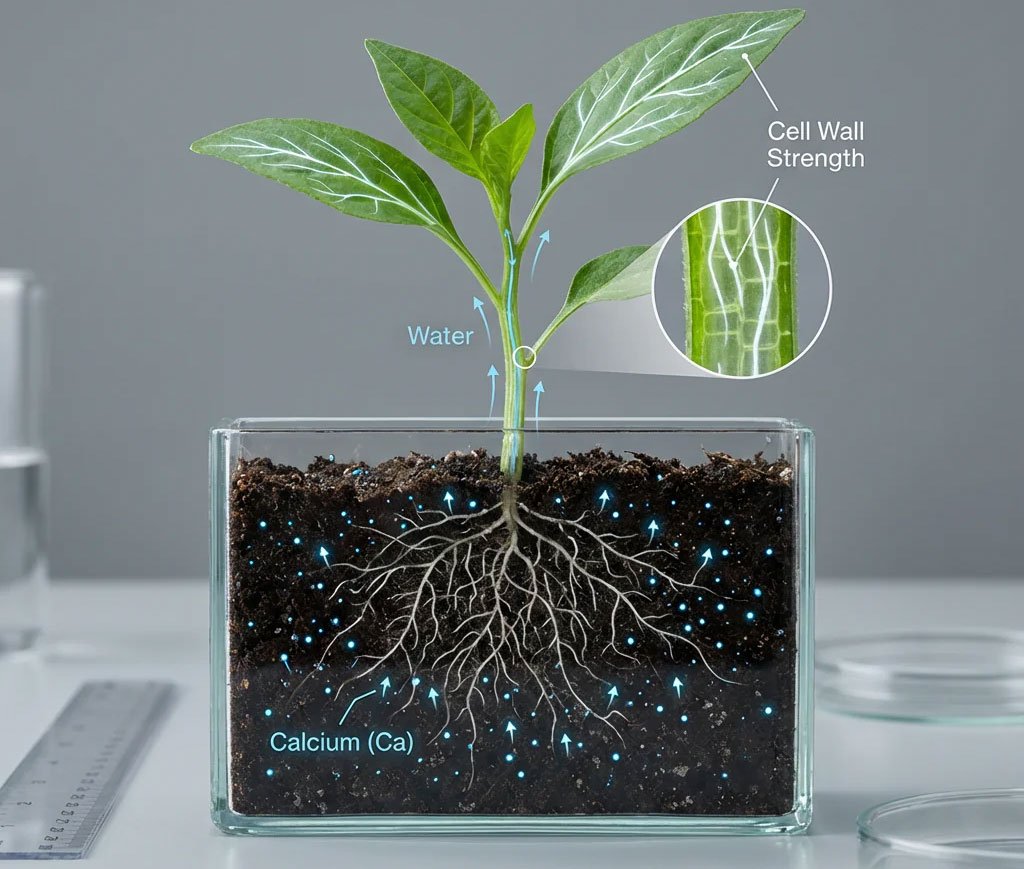
That is why experienced growers should not think about calcium as a rescue tool. It should be treated like infrastructure. Once fast-growing tissue starts falling behind, the crop is already paying for a delivery problem.
Where calcium strategy usually breaks down
Most calcium programs fail in one of three places: growth is outrunning delivery, root-zone conditions are limiting uptake, or nutrient antagonism is pushing calcium out of position. Missouri Extension notes that excess potassium can suppress calcium uptake, which is a useful warning for cannabis growers running aggressive feed programs. A grower can raise calcium numbers and still lose the uptake battle if the rest of the system is unbalanced.
Why foliar rescue is not the real answer
Foliar calcium may help in some situations, but it does not erase a weak root-zone strategy. Calcium is mainly xylem-transported and effectively immobile once fixed in tissue, which is why tissues that are already supply-limited remain difficult to correct. Research on fruit calcium physiology makes this point clearly: calcium disorders are usually tied to transport and distribution, not just total supply.
What experienced growers should actually watch
Is transpiration steady enough to move calcium consistently?
Is the calcium source highly soluble and clean in the system?
Is potassium or another competing ion suppressing uptake?
Are roots healthy enough to support stable calcium movement?
Is fast growth outpacing delivery to young tissue?
Am I preventing deficiency or reacting after visible symptoms?
Where Calcium Nitrate fits
If calcium deficiency is often a delivery problem, then source quality matters. A clean, highly soluble calcium source matters because commercial cultivation is not just about feeding plants. It is about running tanks, injectors, lines, irrigation timing, and repeatable crop cycles with as little unnecessary friction as possible.
That is where a clean calcium nitrate base can make sense in a serious fertigation program, especially when the goal is stable delivery rather than reactive correction.
About This Article
A science-first cannabis calcium article focused on xylem transport, transpiration, antagonism, and why calcium form matters more than many growers think.
Sources & PDFs
- Utah State University — Hemp nutrient deficiencies
- UC Davis — Fertility management for industrial hemp
- Cannabis nutrient deficiency study
- Dutch Plantin Growbags Brochure PDF
- Missouri Extension — Potassium interactions and uptake
- Frontiers — Calcium transport and fruit disorders
- Cocopeat Nutrient Content & Cation Exchange
- Eurosolids Calcium Nitrate product page